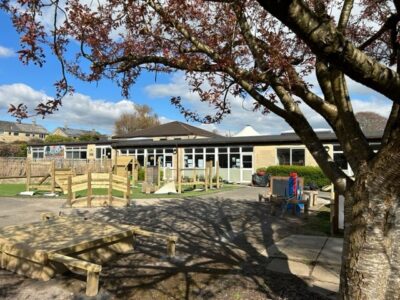
 Squirrels

Hedgehogs
Welcome to The Foundation Class Page
The Foundation leader is Mrs Liz Evans EYFS Leader and (Squirrel Class Teacher Thursday and Friday), Mrs Robinson (Hedgehog Class Monday – Friday), Mrs Morling (Squirrel Class, Monday-Wednesday). We are supported by Mrs Griebenow, Ms Scott, Mrs Sibley . PPA is covered by Mrs Abbott and Miss Roberts
At Christ Church Primary School, we to promote a love of learning, providing all children with a broad and balanced curriculum and learning environment which is carefully planned to provide opportunities where interests and talents are nurtured and challenged, empathy is fostered and friendships formed. Our environment is rich in first-hand experiences with time given to grow, to learn and to flourish.
We aim to work collaboratively with parents and carers to encourage the children to develop skills in independence where they can thrive to reach their full potential. At Christ Church, it is our intent to take into consideration the starting points and needs of our pupils as they begin their learning journey.
We want them to grow as unique and caring individuals with the resilience and determination.
We want our curriculum to enable every child to learn in a way and in an environment that suits their individual needs, allowing them to reach their full potential.
We want them to flourish, by being confident learner who have enthusiasm to learn, be creative, caring, independent and resilient.
As a team we are passionate about the education of young children. Activities planned provide a wide range of opportunities to enable children to play, work, collaborate and feel safe to try new things We aim to build children’s academic, social and emotional well-being so that they can thrive.
Our curriculum is taught through six topics, that we develop and adapt each year to meet the needs of the current cohort of children. Alongside this it is enhanced with real life experiences such as cooking, walks to the local area and visitors.
Term 1 – Marvellous Me!
Term 2 – Once upon a time….
Term 3 – Dark nights, Bright Lights
Term 4 – An African Adventure
Term 5 – Spring Time on the Farm
Term 6 – Dear World
Planning is based on the EYFS Statutory Framework (DfE September 2021) and Development Matters (DfE July 2021). This enables the adults in Early Years to incorporate the seven areas of learning and development into a stimulating, creative, cross curricular approach, ensuring breadth and depth. The children are actively engaged in working towards the Early Learning Goals. The goals are made up of the three Prime Areas and four Specific Areas of learning, within these areas they are broken down into 17 individual aspects which eventually lead towards the Early Learning Goals.
Learning is organised so that the curriculum is delivered through a combination of adult led activities and continuous provision opportunities and enhancements, encouraging children to develop their learning independently through discovery, exploration, curiosity and challenge. The four themes of the EYFS underpin all our learning; a unique child, positive relationships, enabling environment and equal learning and development. None of these areas can be delivered in isolation from the others. They are equally important and depend on one another.
We create a language rich environment, where children are encouraged to talk and share their ideas. We regularly model and use whole class teaching time to promote quality interactions between adult and children and also peer to peer. We use stories, songs and rhymes on a daily basis to promote a variety of vocabulary and a love for stories.
Home learning for school closure: FS and KS1 Home Learning
Arts centre lyrics: yrR lyrics
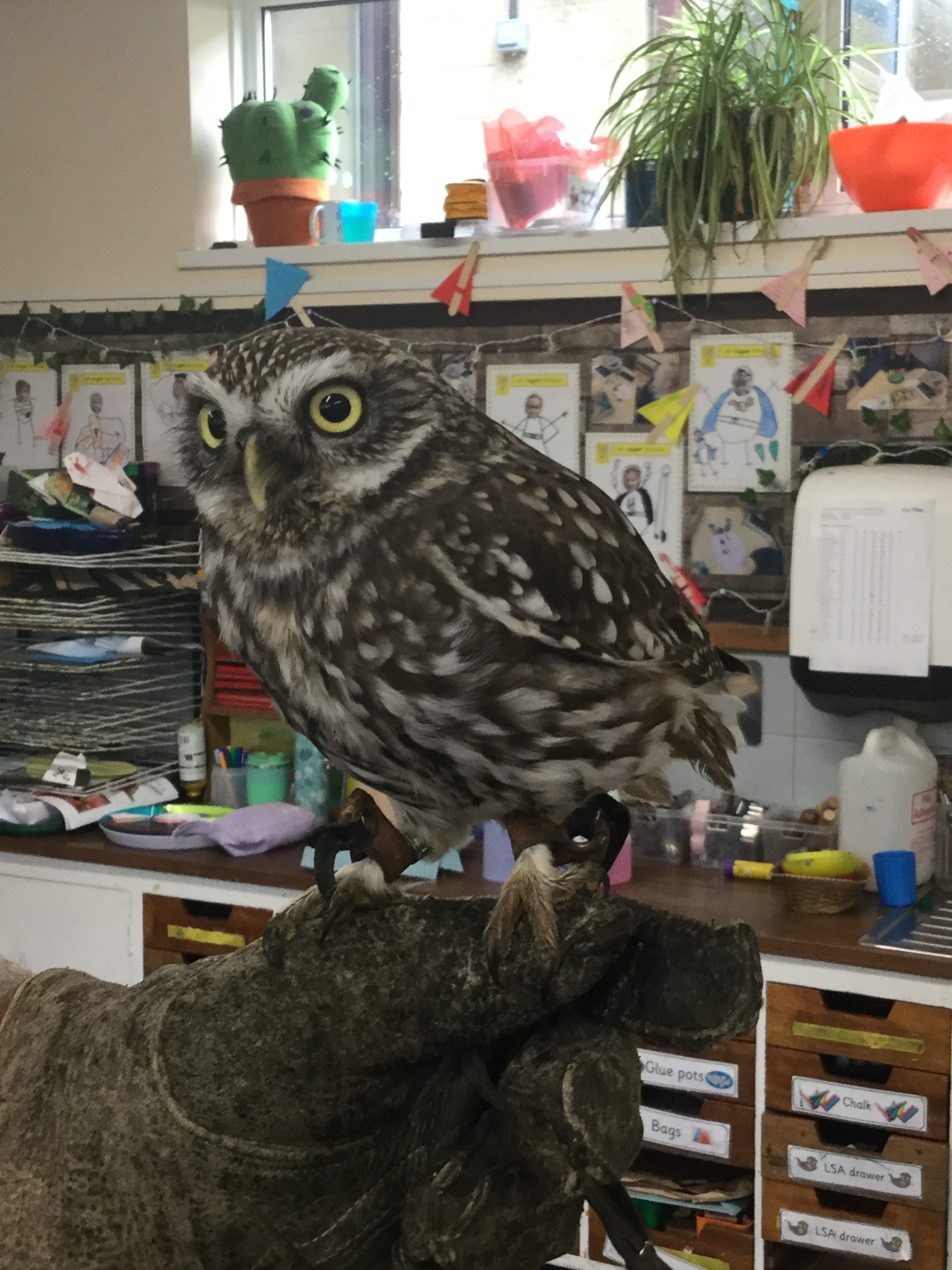
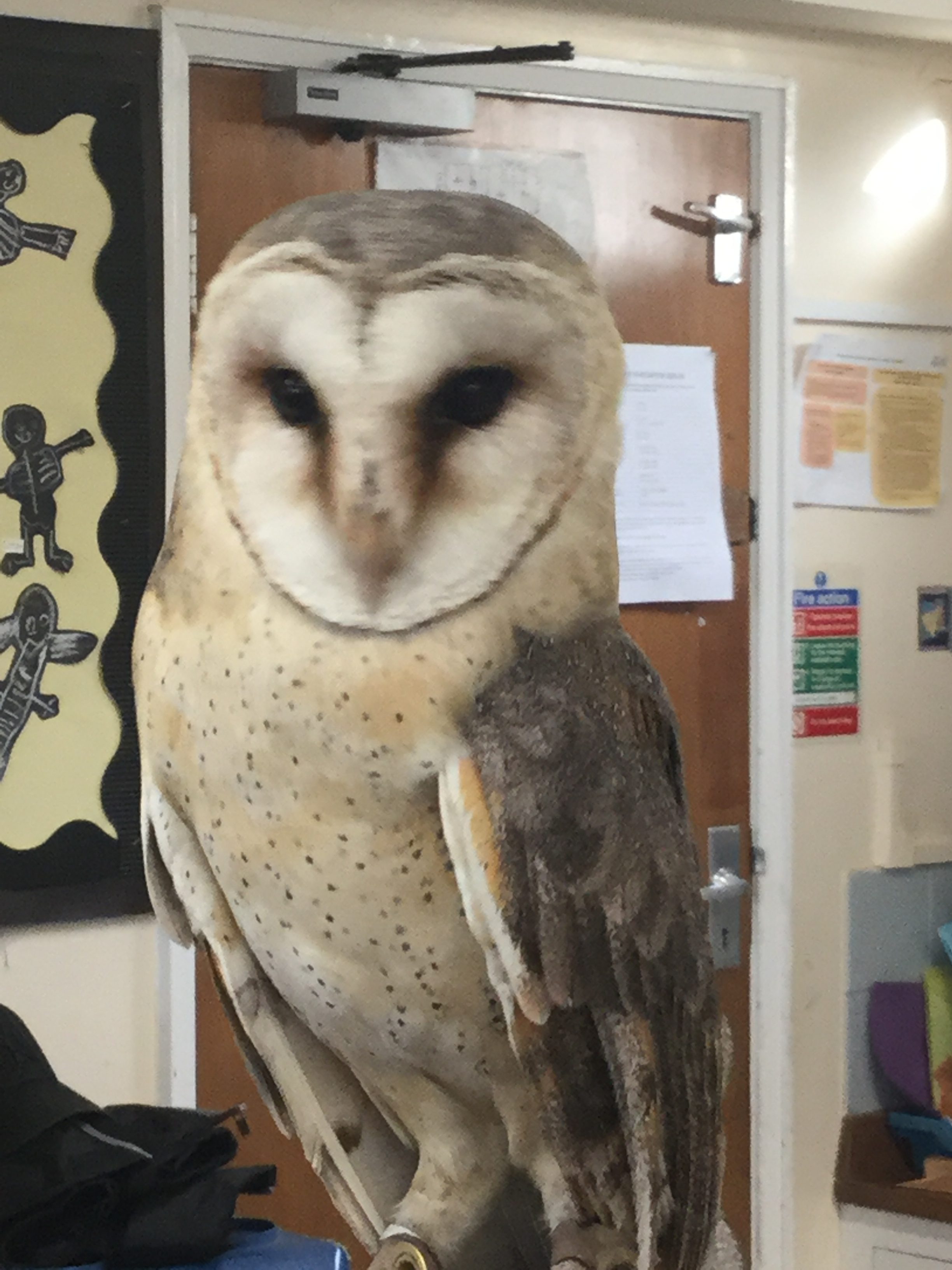
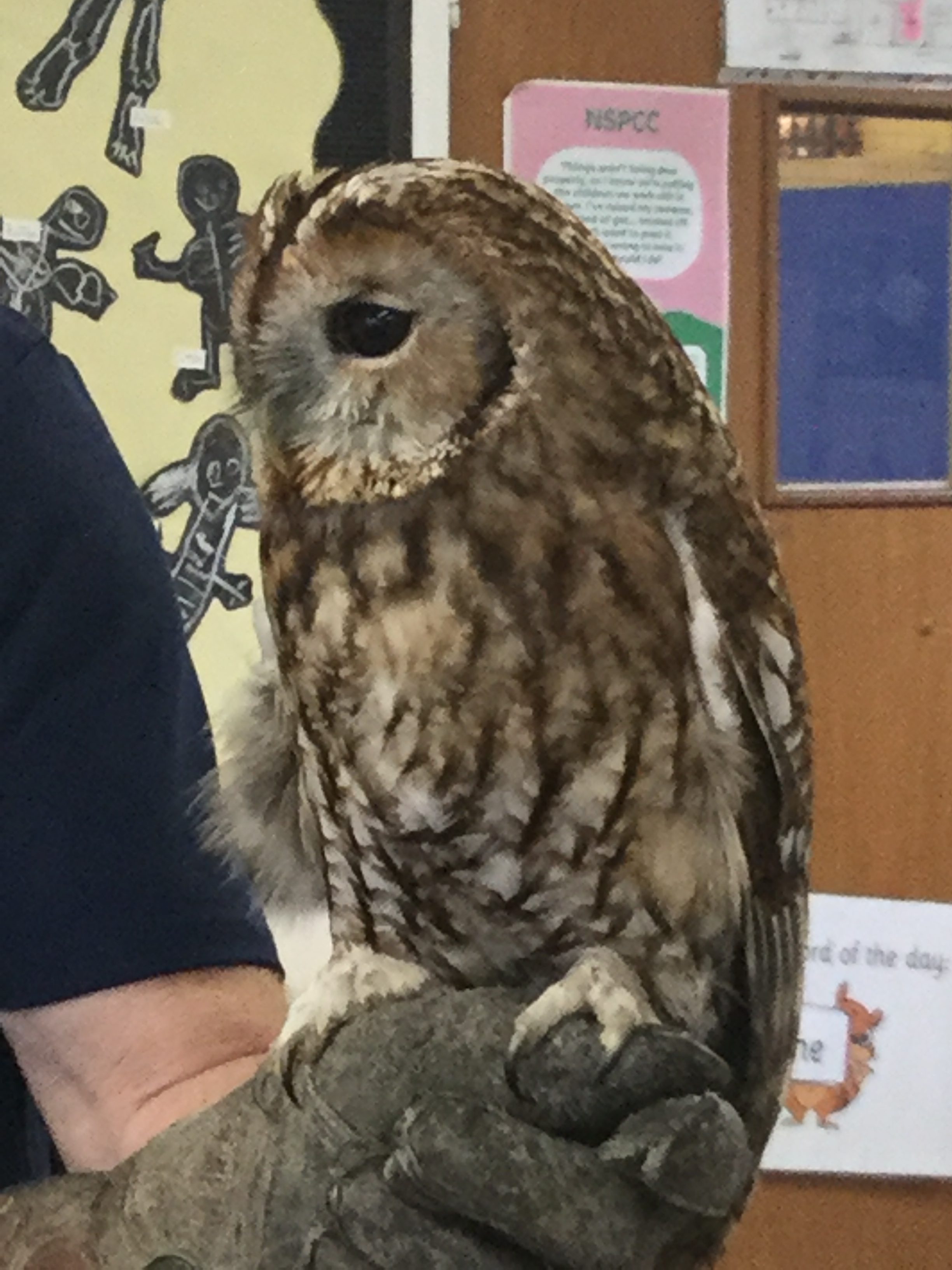
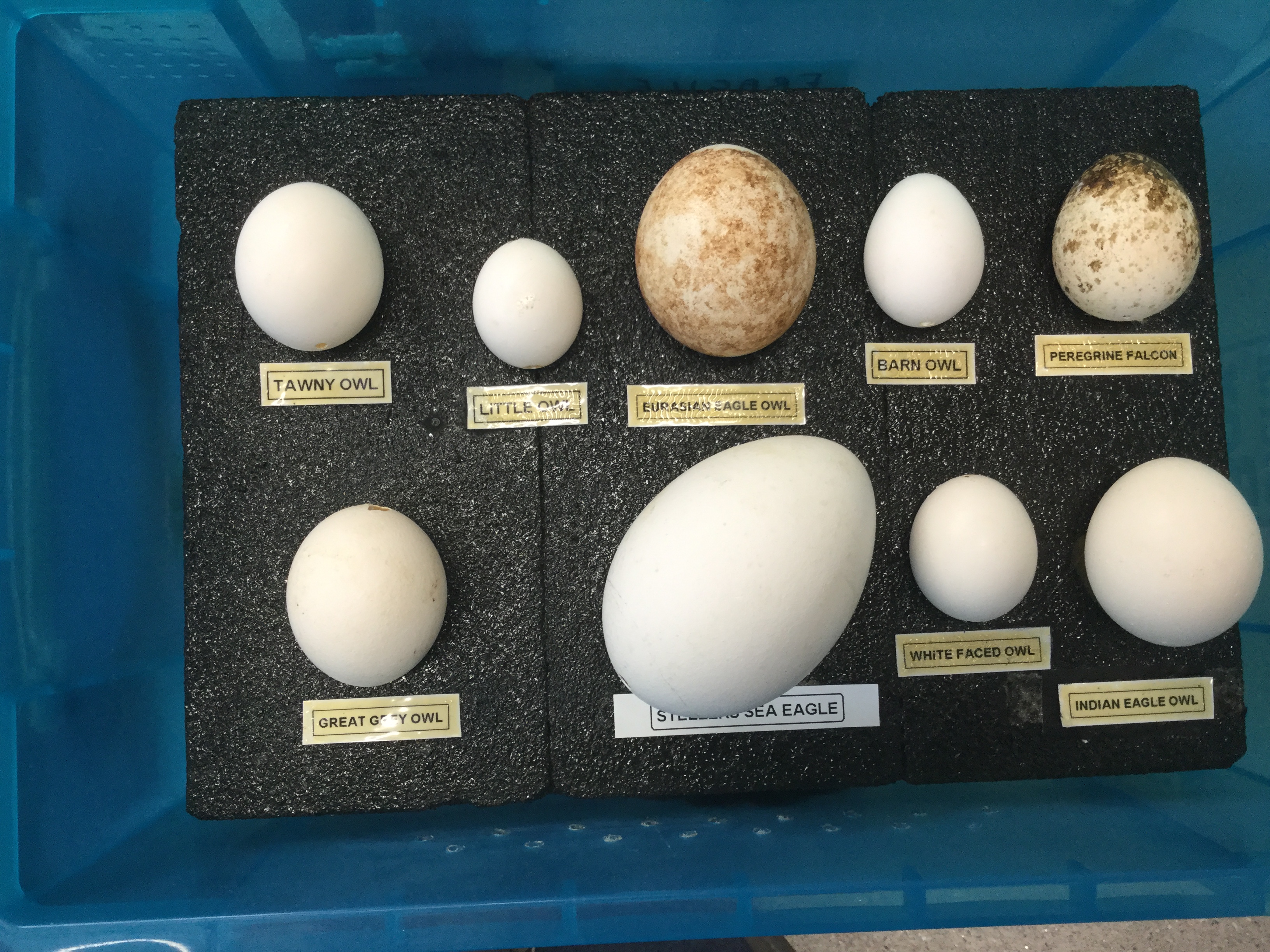
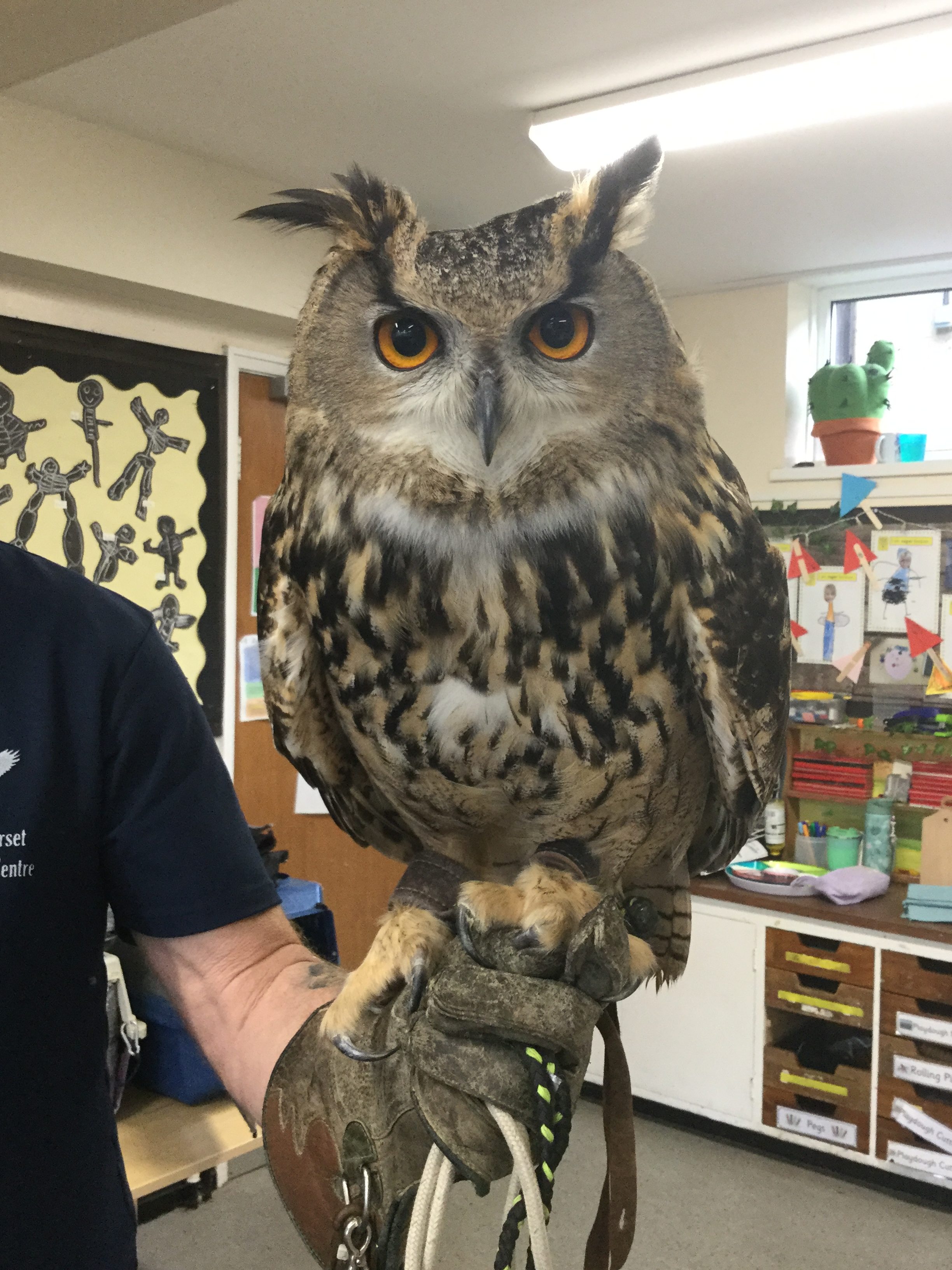
This is what we have been doing this term in our classes: We had a visit from 4 owls – Dotty, Cinnamon, Cerberus and Hercules. We also looked at different sized eggs.
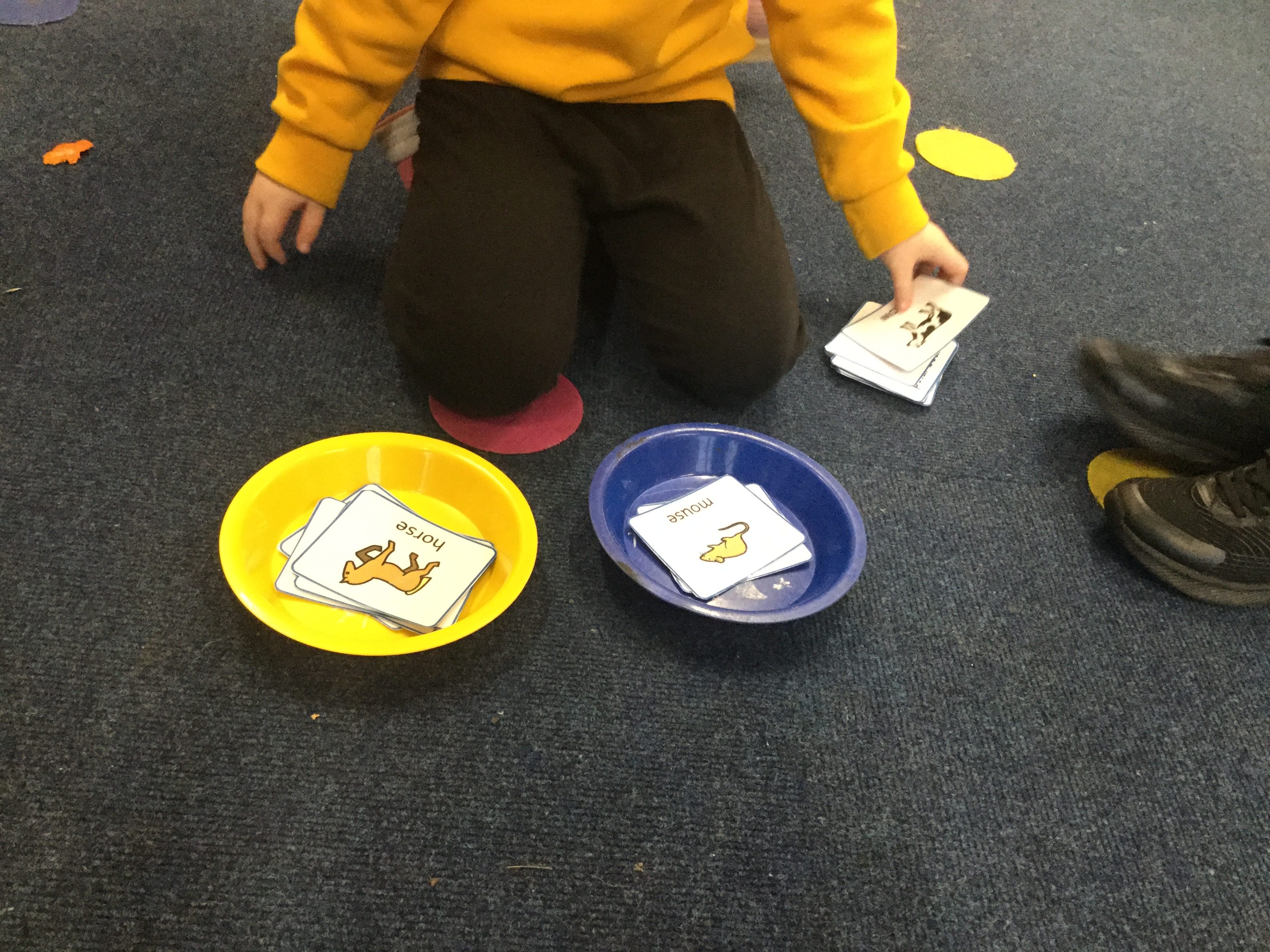
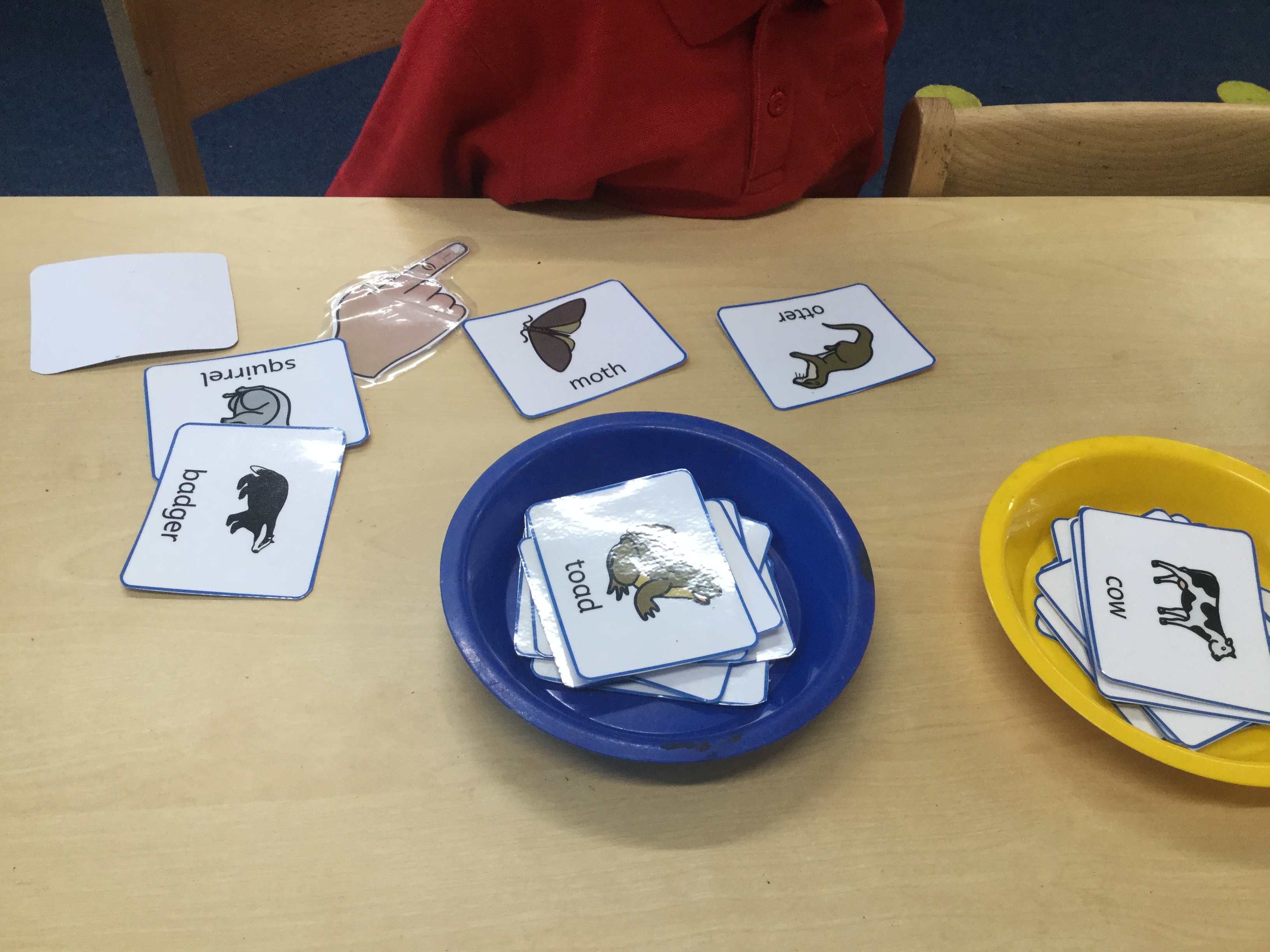
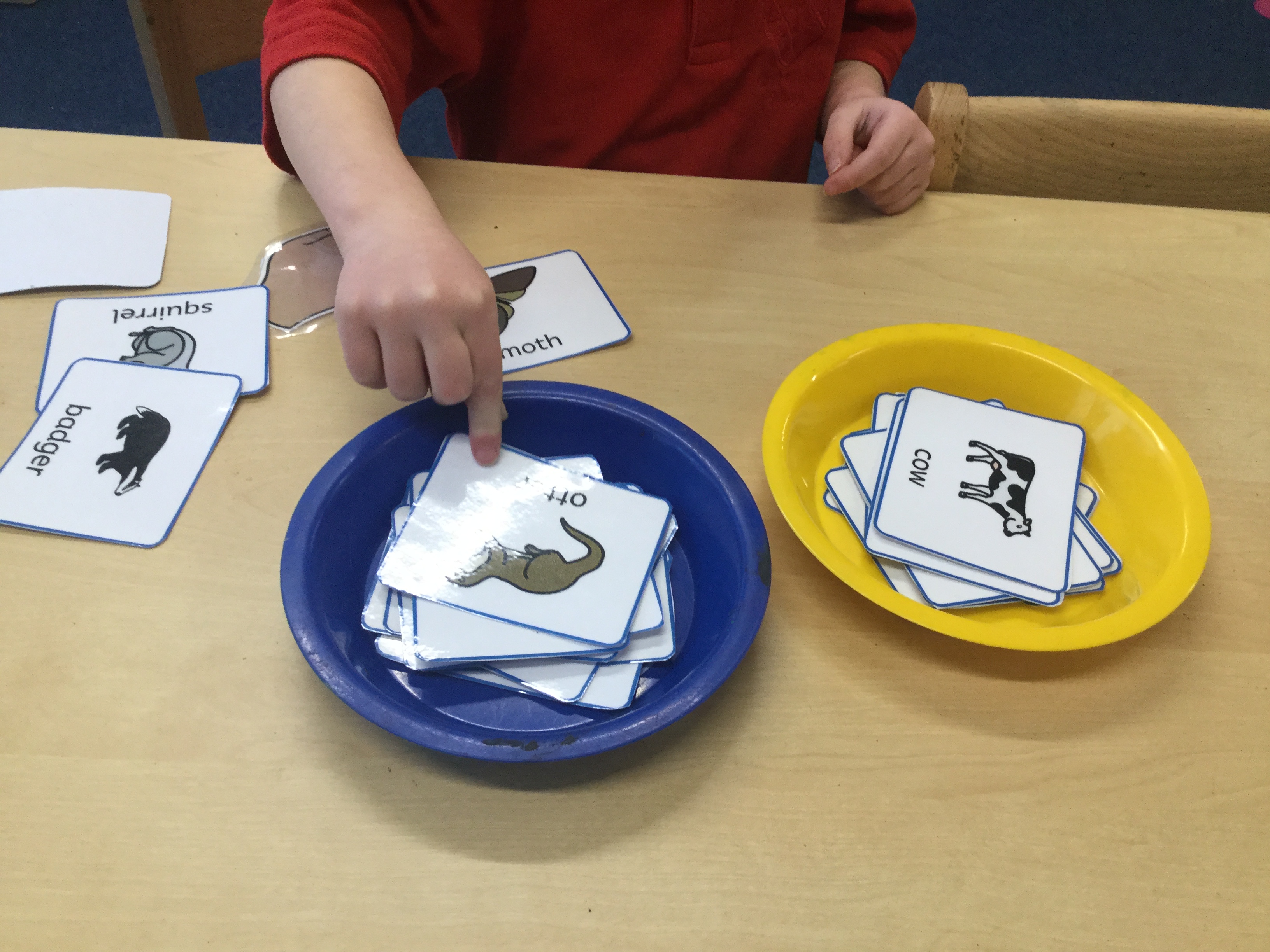 We have been sorting nocturnal and diurnal animals
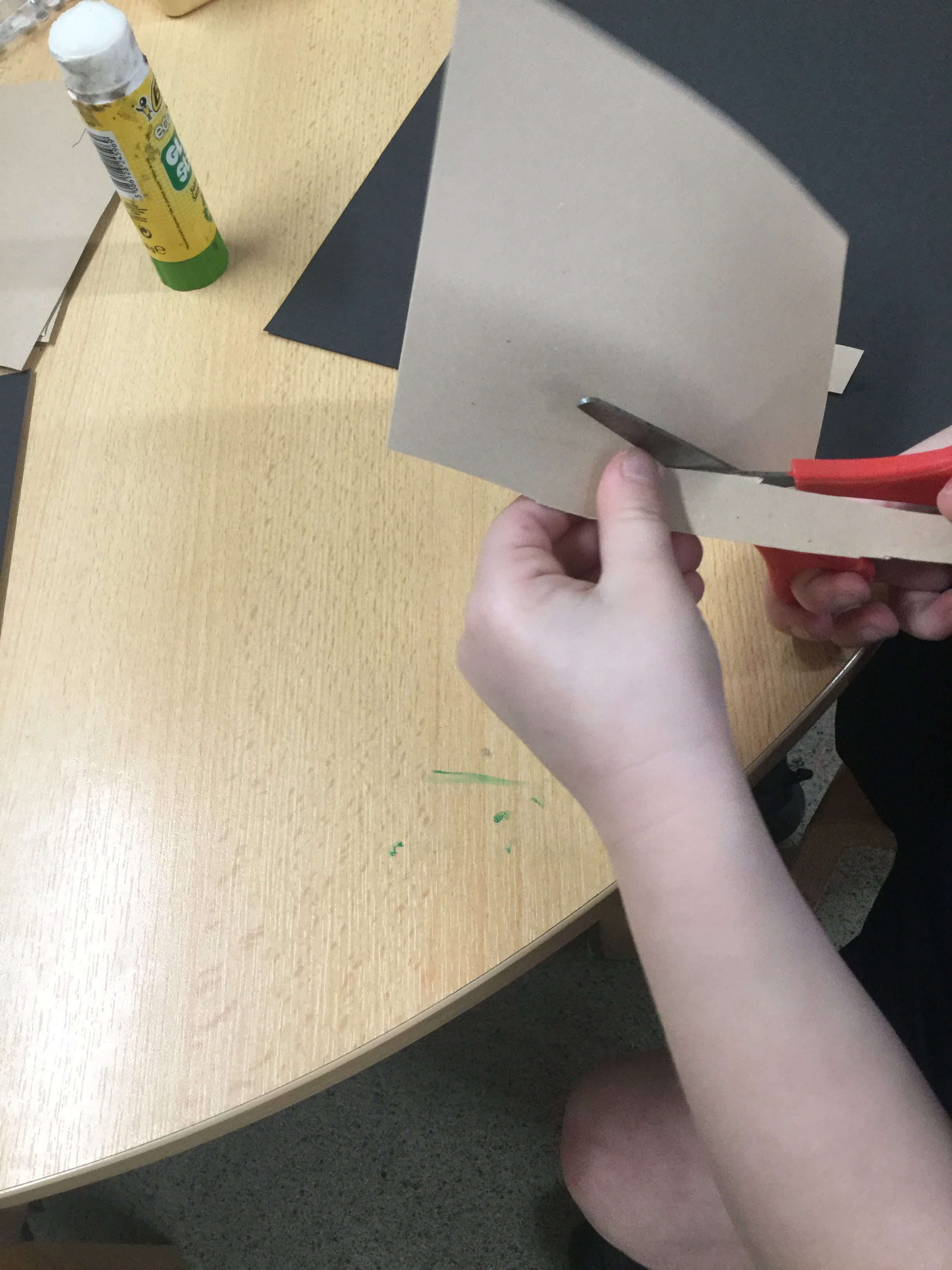
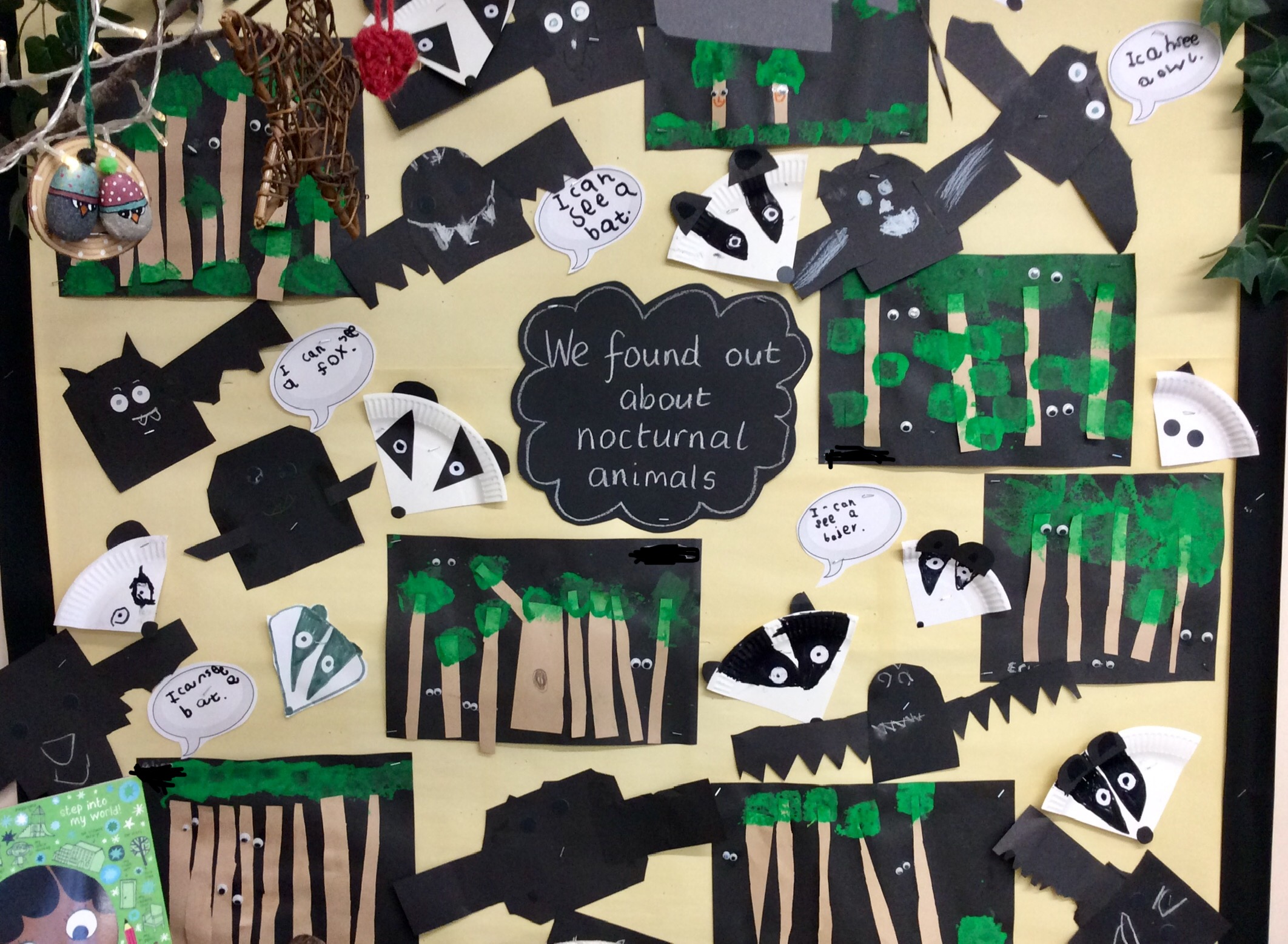
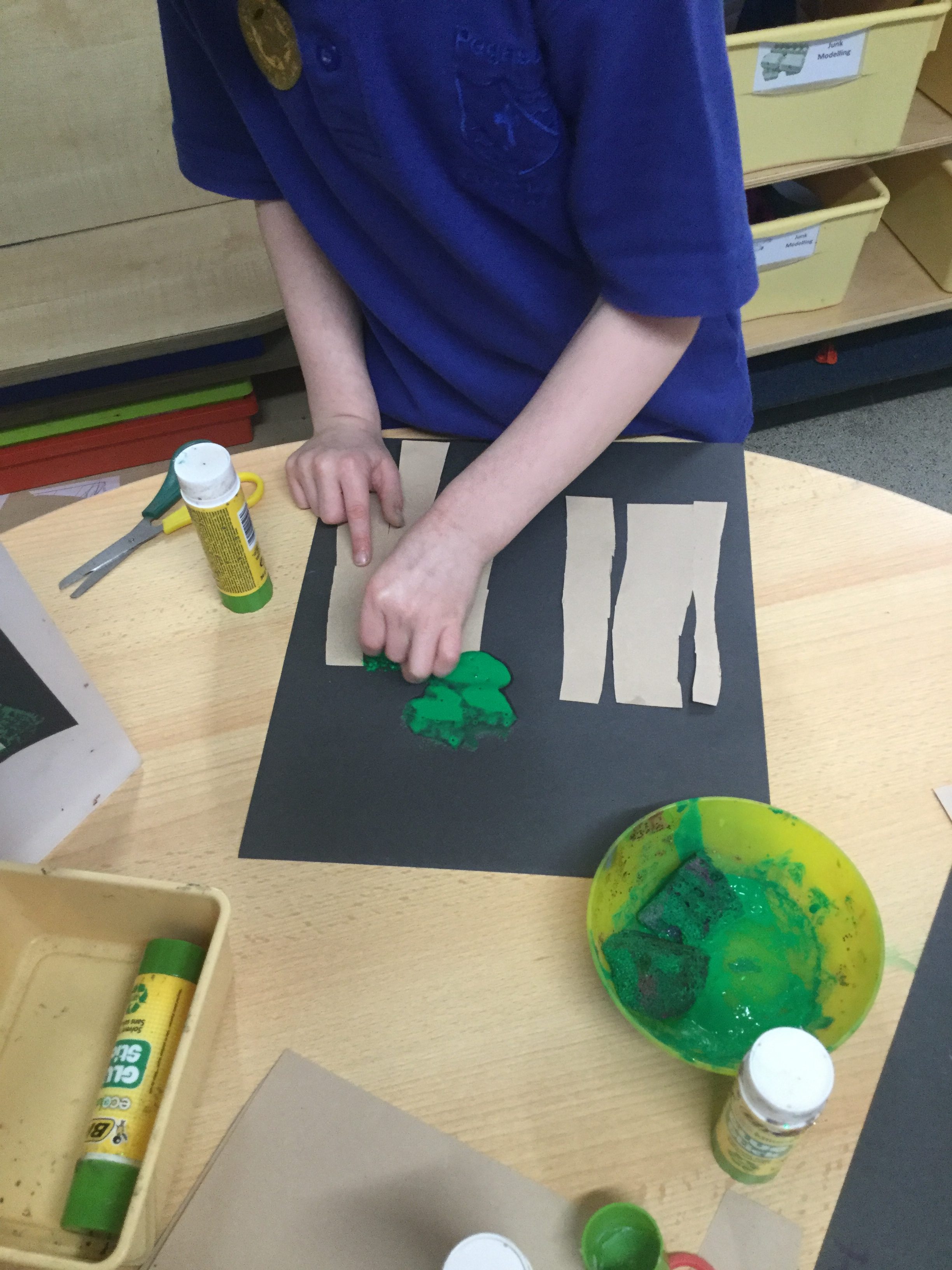
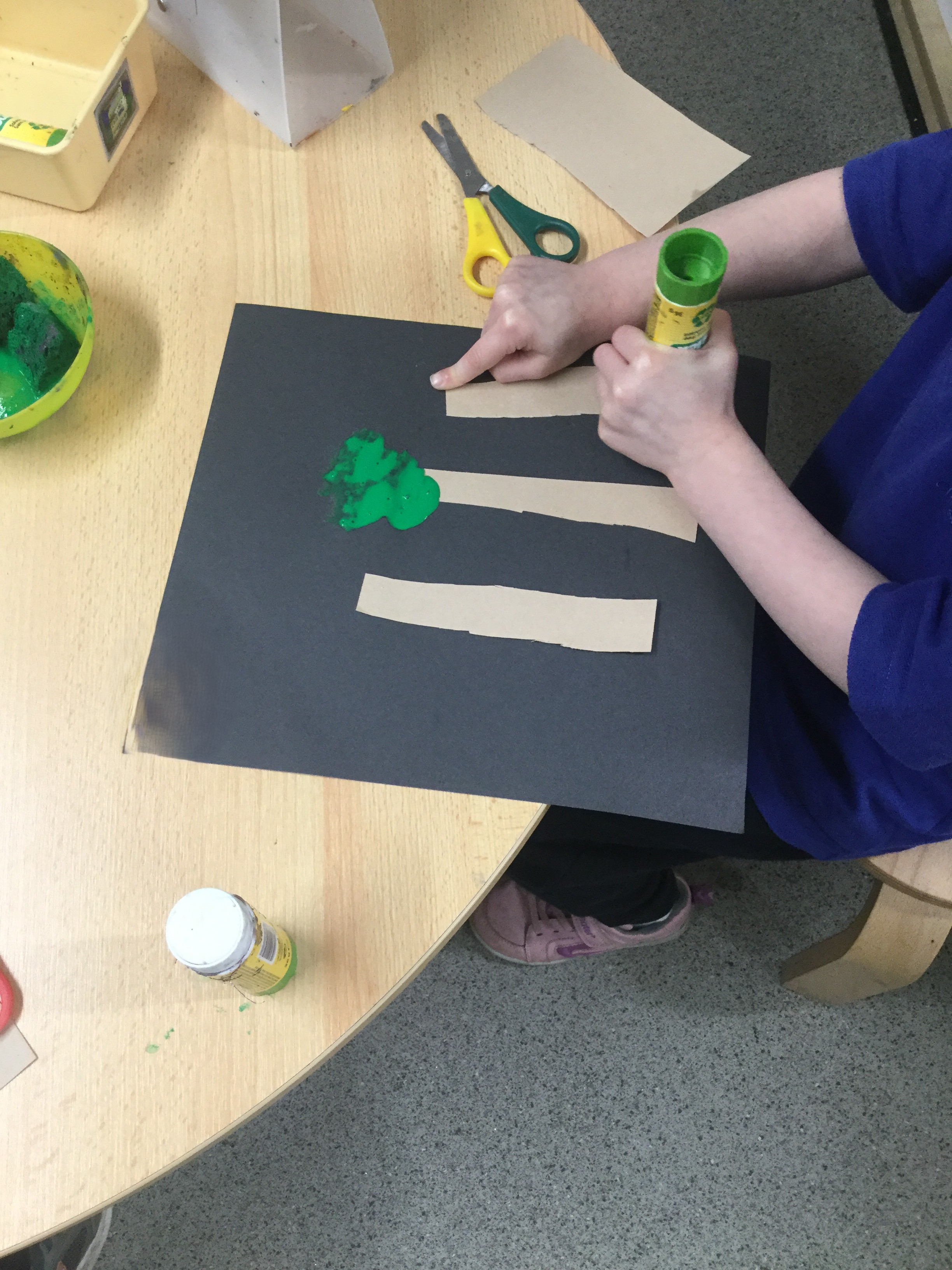
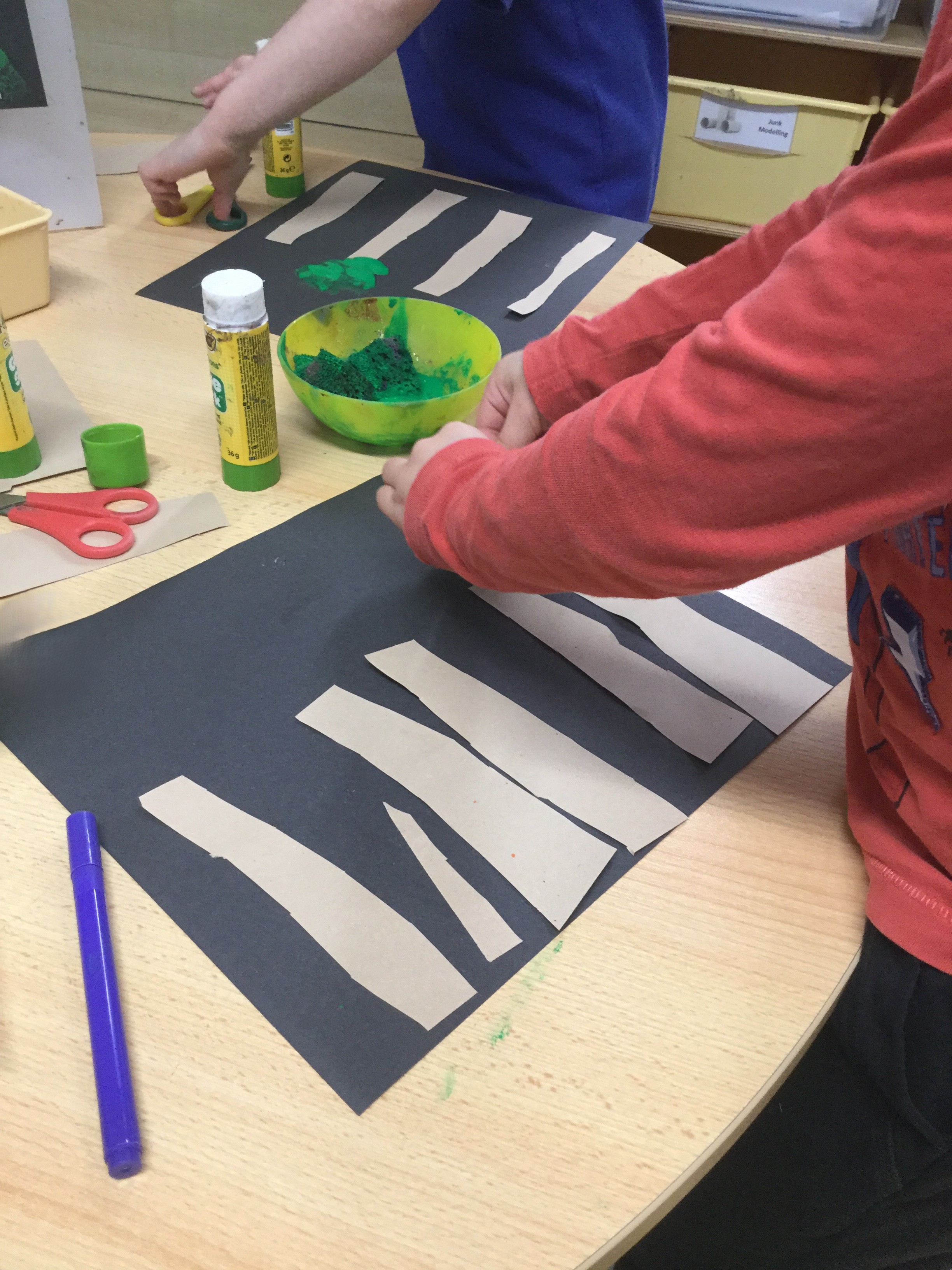
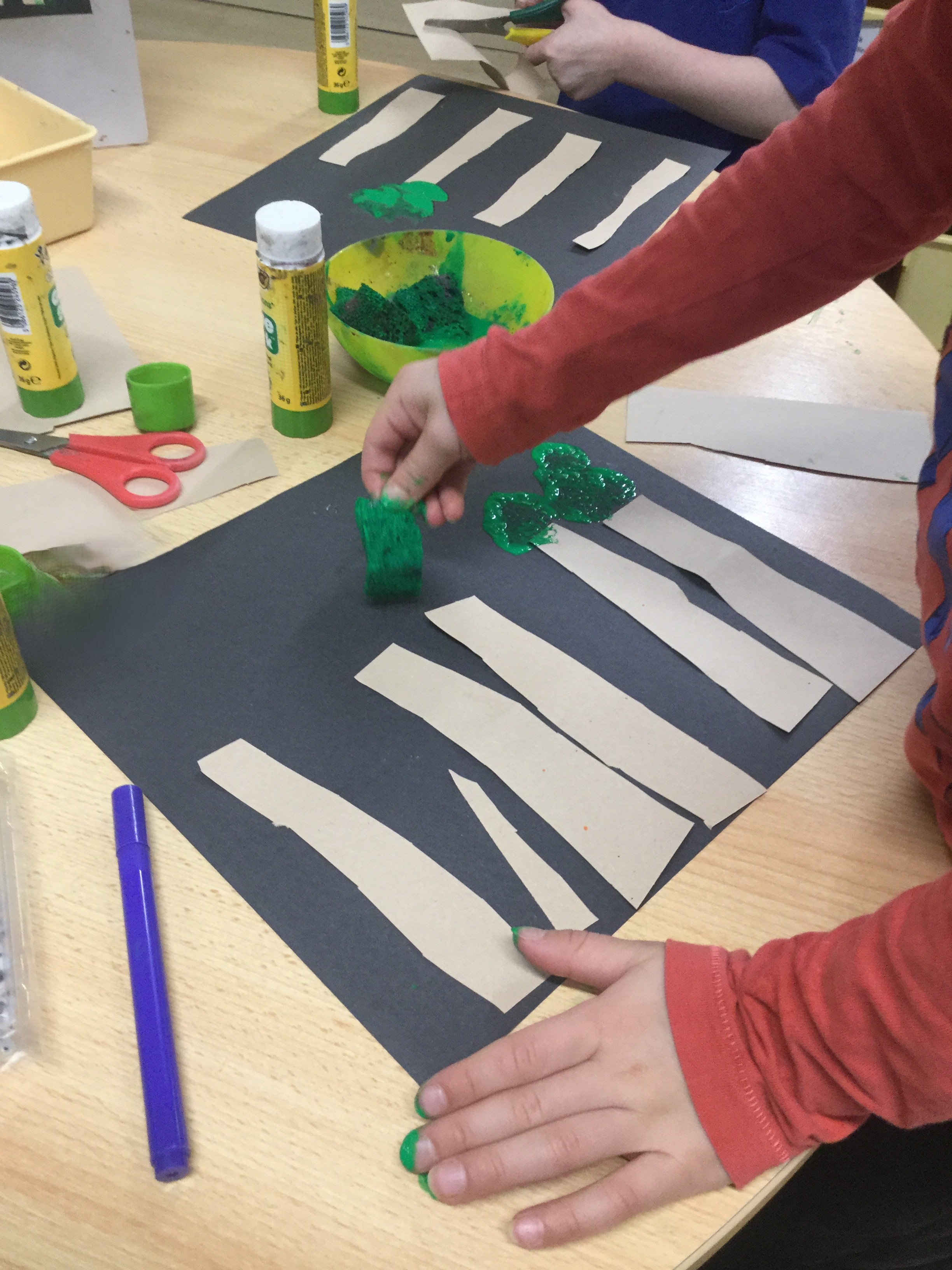
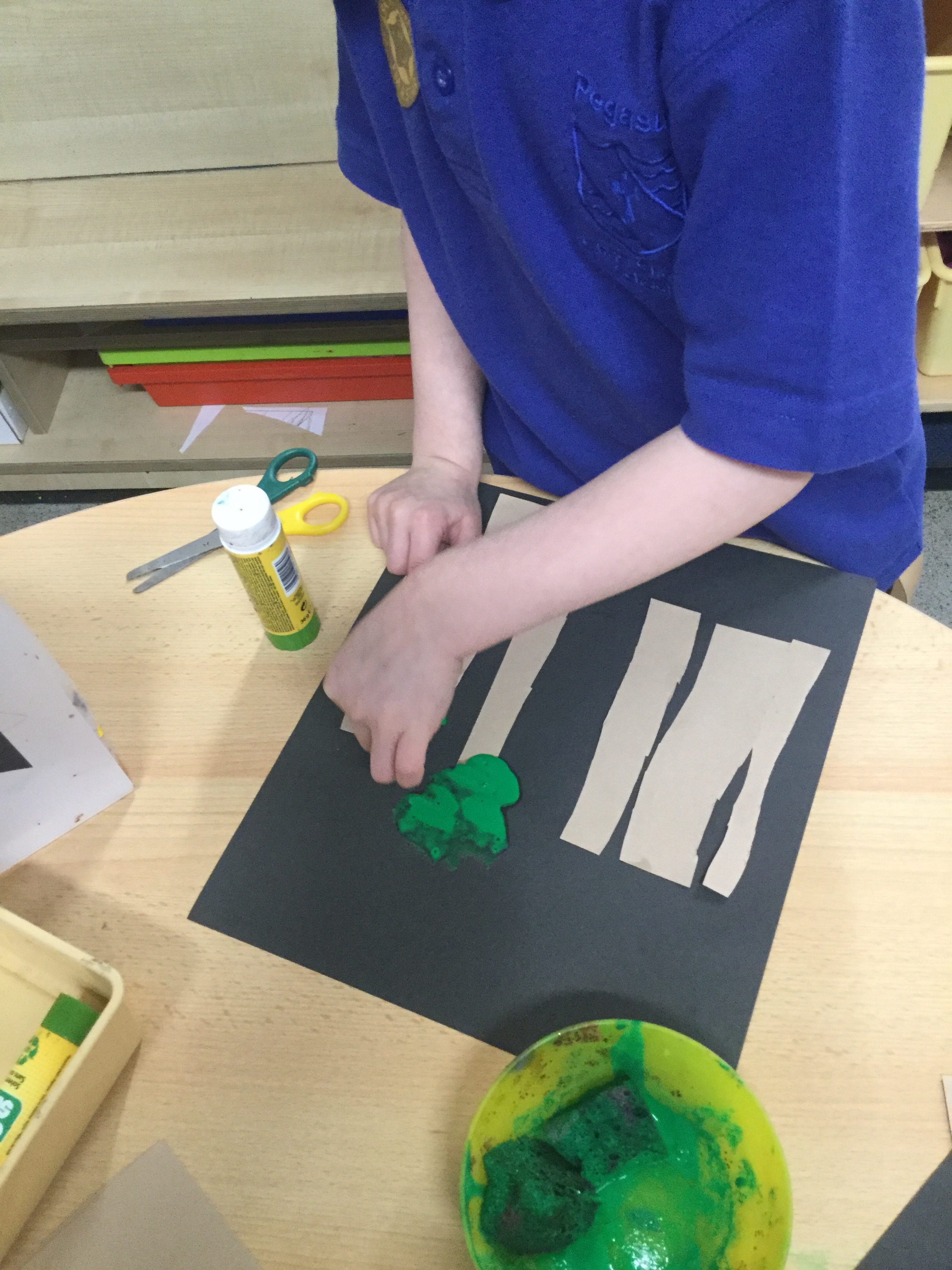
We have been learning about nocturnal animals:
We use Little Wandle Letters and Sounds to teach phonics and reading. Please follow this link to find out more and watch some useful videos https://www.littlewandlelettersandsounds.org.uk/resources/for-parents/
We teach phonics everyday for 20 minutes, we learn 4 GPC (graphemes) a week. Each lesson we practise the sounds and read sounds. We also learn tricky words which are words which cannot be decoded. We also read a sentence and write using out phonics knowledge.
Each term children complete a simple assessment and we match a reading book to their phonics knowledge. In School we read 3 times a week. The first read is focused on decoding, the second week is focused on prosody and the third read has a comprehension focus. By the time the book comes home children should be reading fluently. We expect all children to read at home at least 3 times. Children also bring a home a sharing book, rich in vocabulary.
Click the following link Programme-Overview_Reception-and-Year-1_June-2025.pdf
Parents and carers! If you have bought the Little Wandle at Home Phonics Flashcards don’t forget to check out four fun games to play with your children on the Collins website.
Maths
As a school we follow NCTEM scheme of work for Maths.
In Spring Term we will cover
| Strand/
Half-term |
Subitising | Cardinality, ordinality and counting | Composition | Comparison |
| 3
Children will: |
· increase confidence in subitising by continuing to explore patterns within 5, including structured and random arrangements
· explore a range of patterns made by some numbers greater than 5, including structured patterns in which 5 is a clear part · experience patterns which show a small group and ‘1 more’ · continue to match arrangements to finger patterns. |
· continue to develop verbal counting to 20 and beyond
· continue to develop object counting skills, using a range of strategies to develop accuracy · continue to link counting to cardinality, including using their fingers to represent quantities between 5 and 10 · order numbers, linking cardinal and ordinal representations of number. |
· continue to explore the composition of 5 and practise recalling ‘missing’ or ‘hidden’ parts for 5
· explore the composition of 6, linking this to familiar patterns, including symmetrical patterns · begin to see that numbers within 10 can be composed of ‘5 and a bit’.
|
· continue to compare sets using the language of comparison, and play games which involve comparing sets
· continue to compare sets by matching, identifying when sets are equal · explore ways of making unequal sets equal.
|
|
· We will use the NCETM Mastering Number as the core for our mathematics teaching. · We will adapt the programme to allow for more physical use of manipulatives and less screen time. · We will supplement the Mastering Number activities using White Rose SoL. We will focus on clear mathematical language, using stem sentences and provide opportunities for exploration and application in continuous provision in addition to focused group work, whole class sessions and for some children one to one activities. |
At home you can use the following link to support your child Numberblocks at home | NCETM